
Fire Suppression Igniters & Electric Initiators
AURAN manufactures electric igniters for integration into fire suppression and fire extinguishing equipment.
Resistance, lead-wire configuration, operating environment, and target service life can be reviewed according to the customer’s equipment requirements.
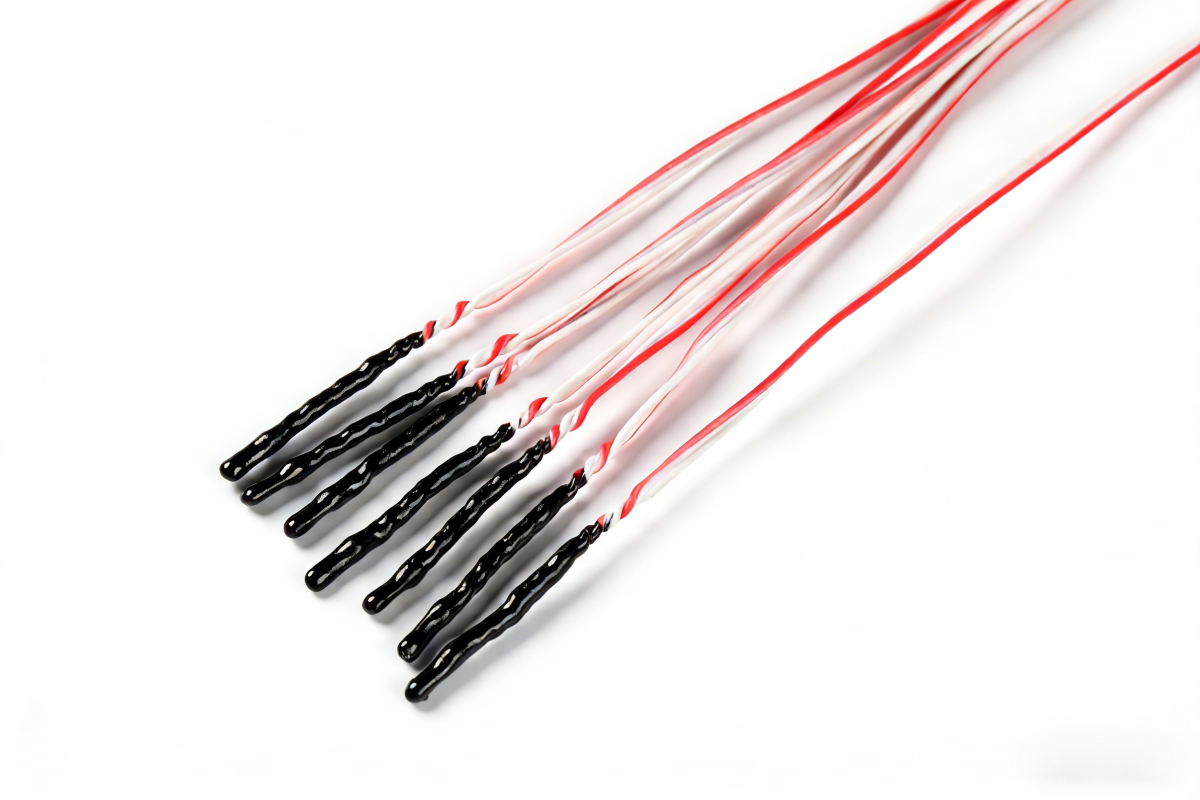
Ignition Requirements Vary by Fire Suppression Equipment
The electrical ignition component has to match both the activation requirements and the physical design of the equipment in which it is installed.
Depending on the application, relevant parameters can include:
- Resistance
- Activation / all-fire current
- No-fire or monitoring current
- Operating voltage
- Igniter dimensions
- Lead-wire length and insulation material
- Connector or terminal interface
- Operating-temperature requirements
- Target service life
Terminology also varies between applications and manufacturers. Depending on the equipment, the component may be described as a fire suppression igniter, electric initiator, ignition device, or electrical activation device.
In condensed aerosol fire suppression systems, for example, ISO 15779 uses the term electrical activation device for the electrically operated component that initiates the aerosol-forming compound. ISO
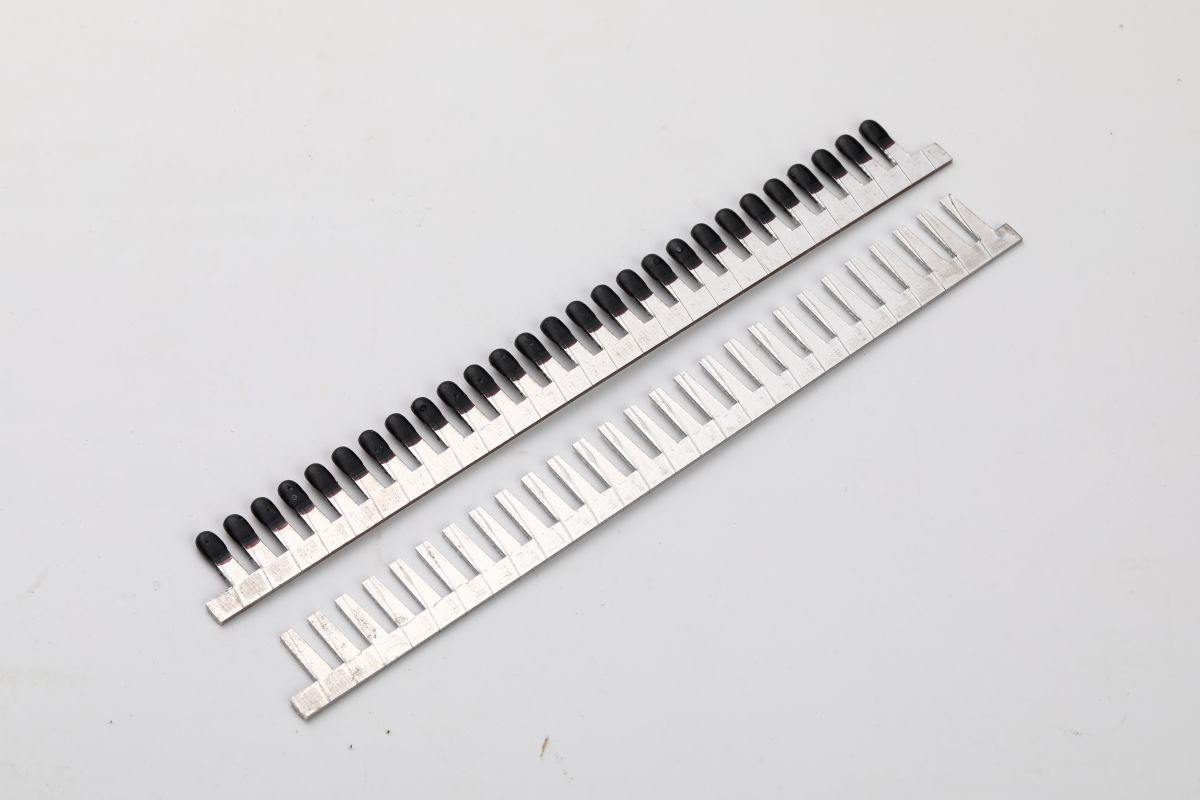
Fire Suppression Igniters
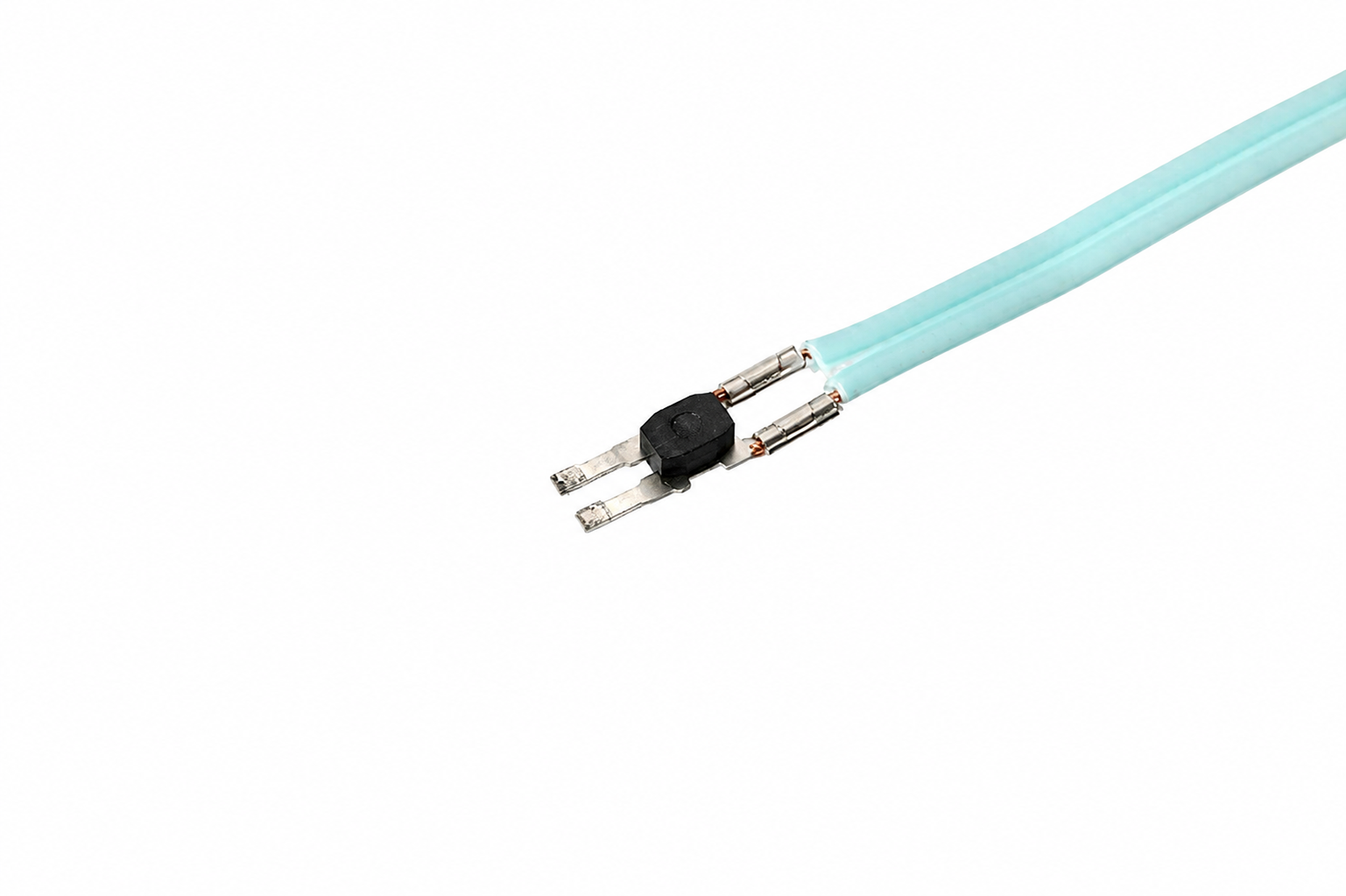
AURAN supplies multiple electric igniter configurations with different resistance values, dimensions, and lead-wire options for fire suppression equipment.
Existing configurations provide a practical starting point for application-specific electrical and installation requirements.
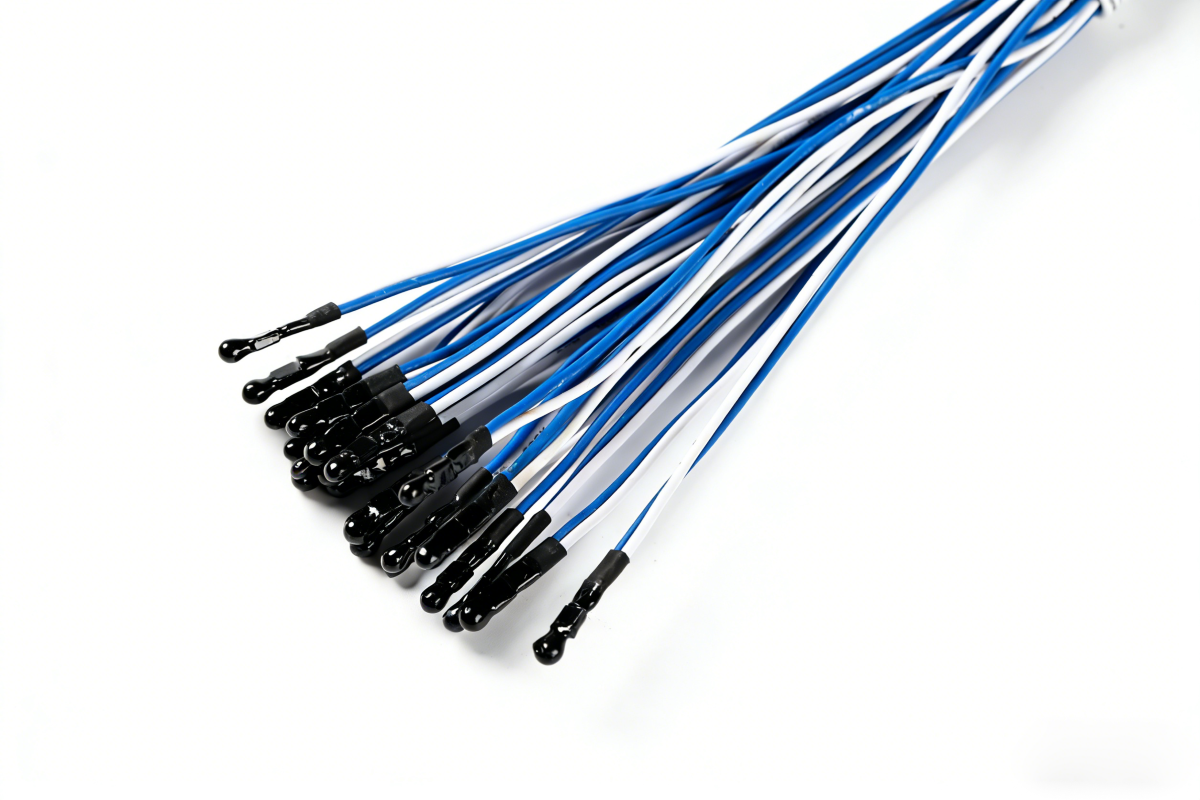
Electrical Matching
Physical size alone does not determine whether an igniter is suitable for a fire suppression device.
AURAN reviews resistance and other electrical characteristics together with the lead-wire configuration, equipment interface, and operating conditions.
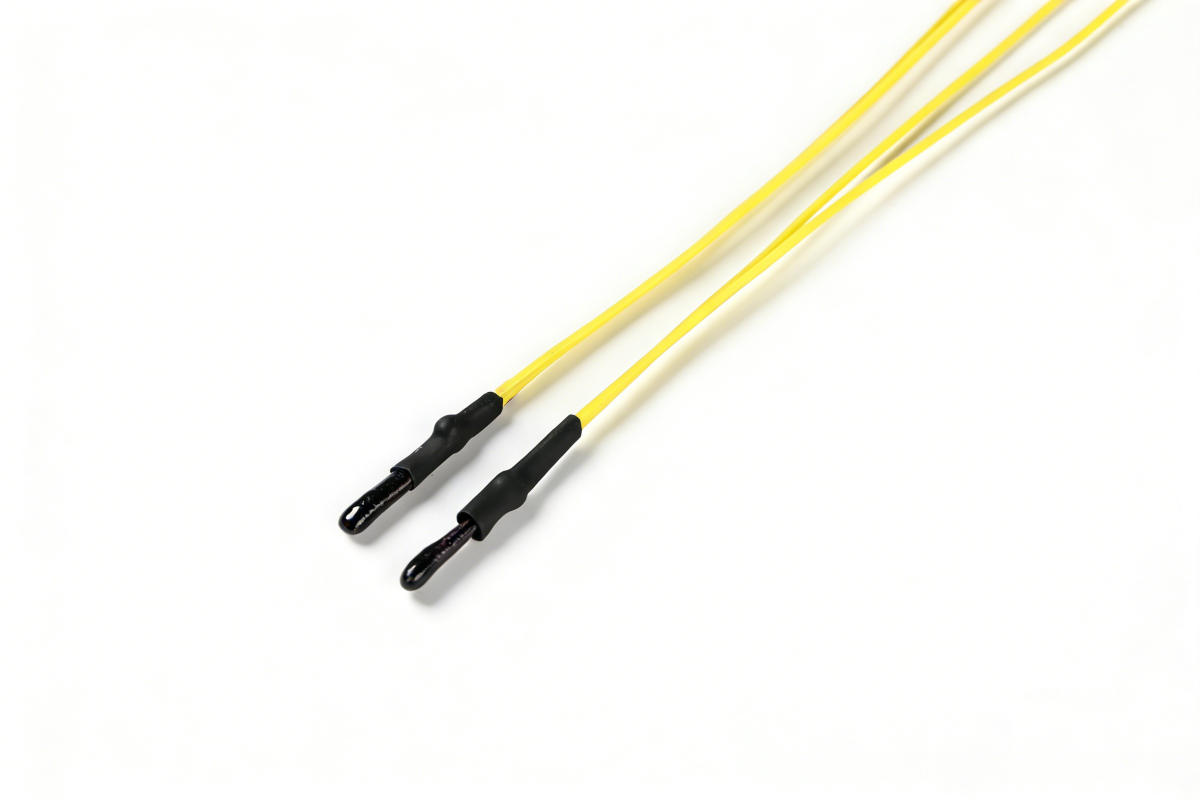
Lead-Wire, Temperature & Service-Life Requirements
Lead-wire requirements can vary substantially between fire suppression applications.
For conventional installations, PVC-insulated lead wire can be used where it meets the required operating conditions. PTFE-insulated lead wire is available for applications requiring higher-temperature performance.
Other insulation materials, including silicone rubber, XLPE, FEP, or ETFE, can also be evaluated when required by the project specification.
Some fire suppression projects specify extended service-life requirements such as 5 years or 15 years. For these applications, lead-wire materials and other product configuration details can be reviewed against the required operating environment and service-life target.
For defined projects, AURAN can also carry out internal accelerated-aging evaluation as part of product verification.
Reliability Controls
Different applications may use different product configurations, but electrical consistency remains a fundamental manufacturing requirement.
AURAN controls the ignition component at both the material and assembly stages:
Incoming material inspection
→ Bridge-wire inspection using dedicated test equipment and internal standards
→ 100% resistance inspection after ignition-head preparation
→ Lead-wire connection and final assembly
→ 100% second resistance inspection after final assembly
The second resistance inspection helps identify changes introduced during assembly rather than relying only on the electrical condition of the ignition head before assembly.
Discuss Your Fire Suppression Igniter Requirements
If your fire suppression equipment requires specific resistance, electrical characteristics, component dimensions, lead-wire materials, operating-temperature performance, or service-life requirements, contact AURAN to discuss the application.